Home > Blog > Essential Renovation Projects that Increase Home Value
Picture this: you’re preparing to sell your cherished Lancashire home. You've invested time and effort into making it your own, but are you confident you've maximised its full market potential? Many homeowners undertake costly improvements, only to find they don't resonate with buyers or deliver a tangible return on investment, leading to frustration and financial loss. The key isn't just to renovate; it's to renovate smartly with a clear focus on what today’s buyers truly value.
This guide provides a strategic roadmap to the most impactful renovation projects that increase home value, specifically tailored for the Lancashire and Clitheroe property market. We move beyond fleeting trends to focus on proven, high-ROI upgrades that enhance appeal and command a higher asking price. Forget guesswork, we're here to provide data-backed insights and practical advice.
In this article, you'll learn:
-
The highest-value renovations for the modern homeowner.
-
How to maximise your return on investment with cost-effective strategies.
-
Why energy efficiency is a crucial factor for Lancashire properties.
-
The critical role of kerb appeal in securing a quick, profitable sale.
What Are the Best Renovation Projects That Increase Home Value?
The best renovation projects that increase home value are those that skilfully balance cost, modern buyer appeal, and measurable return on investment. The most consistently high-performing upgrades target key areas of the home: kitchens, bathrooms, loft conversions, and energy efficiency improvements. These projects directly address contemporary living standards, functionality, and the growing concern over household running costs, making them highly attractive to prospective buyers.
Prioritising Renovations for Maximum ROI
Not all renovations are created equal. The goal is to identify upgrades that add more value to your home than they cost to implement, achieving a positive *home renovation ROI. Major structural changes like extensions offer significant value but come with high upfront costs and lengthy timelines. In contrast, a well-executed kitchen or bathroom remodel often provides a more reliable and faster return. According to recent industry data from sources like Checkatrade, a new kitchen can add between 5-10% to your home's value, making it one of the safest bets for a substantial property value increase.

Understanding the Lancashire Property Market
Local context is crucial. In Lancashire, where there is a rich mix of traditional stone-built terraces and modern family homes, renovations should respect the property's character while introducing modern comforts. Buyers in areas like Clitheroe, the Ribble Valley, and surrounding towns often seek homes that blend classic charm with contemporary efficiency. This means that restoring original features alongside installing high-performance double glazing or an efficient boiler can be a powerful combination. Understanding these local preferences ensures your investment resonates with the target market.
The Difference Between Personal Taste and Market Appeal
A common pitfall is renovating to a highly specific personal taste. While a unique design might be perfect for you, it can deter potential buyers who can't see themselves in the space. To maximise value, opt for neutral, high-quality finishes that create a clean, inviting canvas.
Key considerations for broad market appeal:
-
Neutral Colour Palettes: Greys, whites, and soft earth tones provide a timeless backdrop.
-
Quality Materials: Choose durable and classic materials like quartz countertops, oak flooring, or quality tiling.
-
Functional Layouts: Ensure the flow of the room is logical and maximises space and light.
-
Ample Storage: Clever storage solutions are universally appealing and add significant practical value.
-
Professional Finish: Poor workmanship can devalue a property, so always invest in a professional finish.
A modern, functional, and stylish kitchen is consistently ranked as one of the most important features for homebuyers. It's no longer just a place for cooking; it's a central hub for family life, entertaining, and daily activities. Investing in a kitchen upgrade is one of the most reliable **renovation projects that increase home value**, directly influencing a buyer's decision and their perception of the entire property's worth.
Why a Modern Kitchen is a Top Selling Point
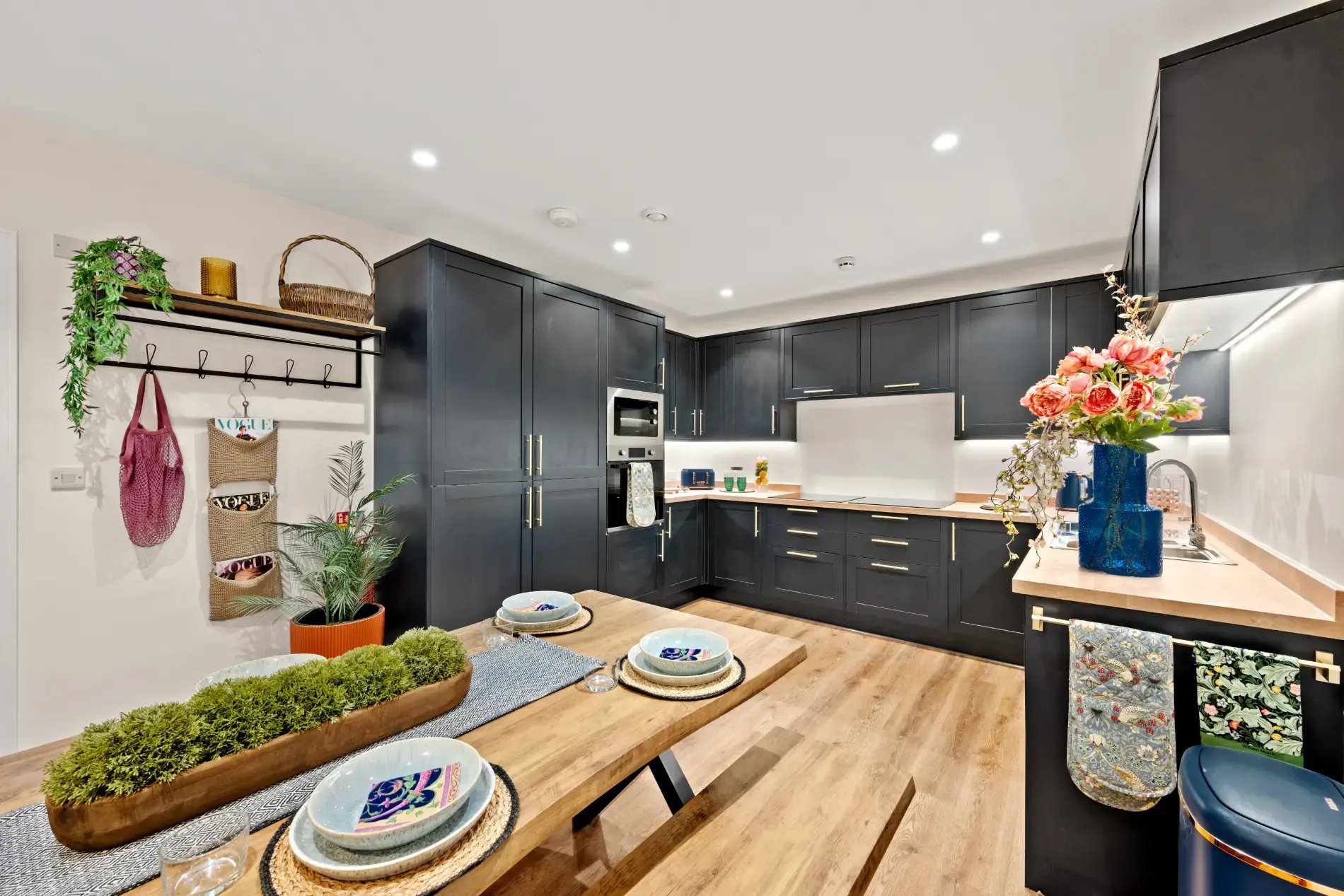
As cited by Checkatrade's 2024 housing trends, a full kitchen renovation can add between 5% and 10% to your home’s value. For a £300,000 home in Lancashire, that’s an increase of £15,000 to £30,000. Buyers are willing to pay a premium for a home with a recently updated kitchen because it represents a significant expense and hassle they won't have to undertake themselves. A bright, well-designed kitchen signals that the home has been well-maintained and is move-in ready.
Cost-Effective Kitchen Renovation Strategies
A full kitchen replacement isn't always necessary to achieve a high-impact transformation. Several cost-effective renovations can modernise the space without the £10,000+ price tag of a complete overhaul. Consider these strategies:
-
Cabinet Refacing or Repainting: If the cabinet carcasses are in good condition, replacing the doors or applying a professional-grade paint can dramatically change the look for a fraction of the cost.
-
Updating Worktops: Swapping dated laminate for a more modern material like quartz, solid wood, or a high-quality laminate-effect worktop instantly lifts the room.
-
Replacing the Splashback: A new tiled or glass splashback is a relatively low-cost update that adds a contemporary design element.
-
Upgrading Hardware: New handles and knobs on cabinets and drawers are a small detail that makes a big difference.
-
Modernising Lighting: Installing under-cabinet LED lighting and a new central fixture improves functionality and creates ambiance.
A Lancashire Kitchen Case Study: From Dated to Desirable
-
Context: A family in a 1980s detached house in Burnley wanted to sell but knew their dark, cramped kitchen was a major drawback.
-
Challenge: The original dark oak cabinets and poor layout made the space feel small and unwelcoming, with an estimated negative impact on the asking price of around £10,000.
-
Solution: The homeowners invested £8,500 in a strategic remodel. This included professionally spraying the existing cabinets a light grey, installing new quartz-effect laminate worktops, adding a modern metro tile splashback, and replacing the flooring. They also removed a non-structural wall to create an open-plan kitchen-diner.
-
Results: The house sold within two weeks of listing for £18,000 above its pre-renovation valuation, delivering a net home renovation ROI of over 100% on the kitchen project.
How Can a Loft Conversion Maximise Your Property's Potential?
A loft conversion can maximise your property's potential by adding significant, high-value square footage without extending the building's footprint. This transforms unused attic space into functional living areas like a master bedroom suite, a home office, or a playroom. In densely populated areas or for homes with limited garden space, converting the loft is often the most practical and valuable way to expand, potentially increasing a property's value by up to 20%.
.jpg?width=1440&height=1078&name=d-blackburn-contractors-roofing-near-clitheroe-lancashire%20(3).jpg)
Planning a Loft Conversion in Lancashire
Lancashire's diverse housing stock, from Victorian terraces to post-war semis, offers immense potential for loft conversions. According to a recent article by The Times, adding a dedicated home office is a major value-add in the post-pandemic era of hybrid working, and a loft is a perfect place for this. A well-designed conversion can add a double bedroom and an en-suite bathroom, which can boost your property’s value by as much as 20%. Before starting, it’s vital to assess your loft's suitability. Key factors include head height (a minimum of 2.2 metres at the highest point is ideal), roof pitch, and the structure of the existing roof.
Types of Loft Conversions: Dormer, Velux, and Mansard
Choosing the right type of conversion depends on your property, budget, and planning constraints:
-
Velux (Rooflight) Conversion: The simplest and most cost-effective option, involving adding windows into the existing roof slope. It requires sufficient head height and is ideal for projects where major structural changes are not needed.
-
Dormer Conversion: This is the most popular type. It involves building a vertical wall from the bottom of the sloping roof and adding a flat roof, creating a box shape. This adds significant headroom and usable floor space.
-
Hip-to-Gable Conversion: Suitable for semi-detached or detached homes with a hipped roof. The hipped side is extended vertically to form a gable end, creating a much larger internal space.
-
Mansard Conversion: This involves altering the entire roof structure, creating a flat roof with a steeply sloping front wall at 72 degrees. It provides the maximum amount of space but is also the most expensive and often requires planning permission.
Creating a Multi-Functional Space
A loft conversion offers a unique opportunity to create a flexible space that appeals to a wide range of buyers. Instead of a simple bedroom, consider a master suite complete with an en-suite bathroom and built-in wardrobes. Alternatively, a dedicated home office with excellent natural light and high-speed internet cabling is a huge selling point. For families, it could be a self-contained teenager's den or a bright, airy playroom, freeing up living space downstairs. The key is to demonstrate versatility, allowing potential buyers to envision how the space could work for their specific needs.
Boosting Energy Efficiency: The Smart Investment for Lancashire Homes
In an era of rising energy costs and growing environmental awareness, a home's energy efficiency has become a top priority for buyers. An excellent Energy Performance Certificate (EPC) rating is no longer a 'nice-to-have' but a crucial selling point that can significantly impact your property’s marketability and value. Investing in energy-efficient Lancashire home improvements is a forward-thinking strategy that offers returns through both lower bills and a higher sale price.
Why an EPC Rating Matters to Modern Buyers
Today’s buyers are savvy. They understand that a poor EPC rating translates directly into higher monthly bills. A recent report highlighted by Real Homes magazine suggests that improving a home's EPC rating from band D to band C could increase its value by up to 16% in some UK regions. For many buyers, particularly first-time homeowners, the prospect of lower energy costs is a powerful incentive, making a home with a B or C rating far more appealing than a comparable property rated D or E. A better EPC demonstrates that a home is comfortable, affordable to run, and a responsible investment.
Top Energy-Efficient Upgrades
Here are some of the most impactful upgrades for improving your home's EPC rating:
-
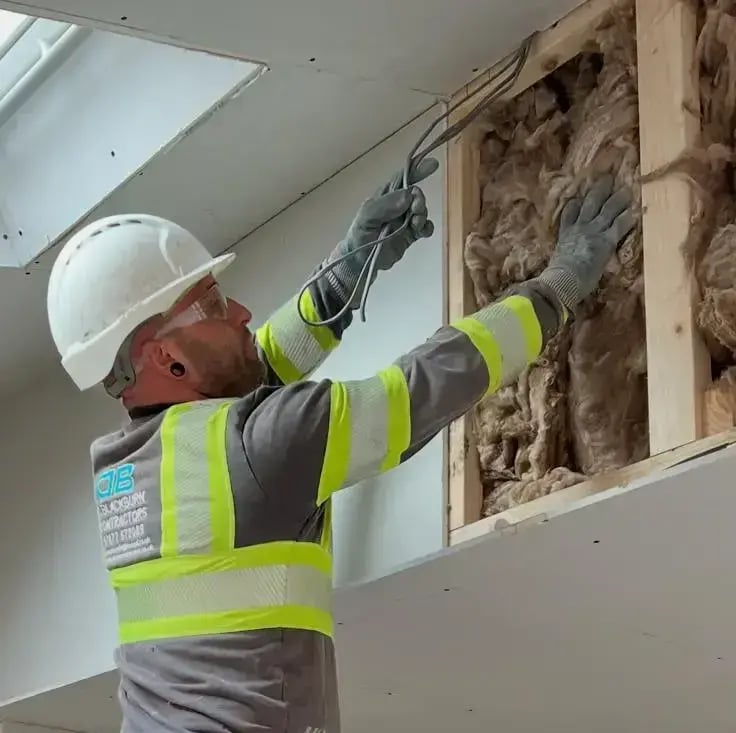
Loft Insulation: Insulating a loft to the recommended depth of 270mm is one of the cheapest and most effective energy-saving measures, preventing up to 25% of heat from escaping through the roof.
-
Cavity Wall Insulation: If your home was built after 1920, it likely has cavity walls. Insulating them is a straightforward process that can save hundreds of pounds per year on heating.
-
Modern Double or Triple Glazing: Replacing old or single-glazed windows with high-performance units drastically reduces heat loss, eliminates drafts, and improves sound insulation.
-
Upgrading Your Boiler: Swapping an old, inefficient boiler for a new A-rated condensing boiler with smart controls can have a huge impact on both your EPC rating and your heating bills.
-
Draught-Proofing: A simple but effective measure. Sealing gaps around windows, doors, and floorboards is a low-cost DIY job that makes a noticeable difference.
Calculating Your Home Renovation ROI on Green Upgrades
Let’s take a practical example. A homeowner in Preston invests £6,000 in upgrading their 1960s semi-detached house. This includes topping up loft insulation (£500), installing cavity wall insulation (£1,000), and replacing old double glazing with A-rated windows (£4,500). This investment moves their EPC rating from a low D to a high C. Not only do they save an estimated £400 per year on energy bills, but their home's valuation increases by approximately £9,000 (a 4% property value increase on a £225,000 property). This yields a £3,000 net profit on the investment while making the property far more attractive to buyers.
Enhancing Kerb Appeal: The Power of a First Impression
Kerb appeal refers to the attractiveness of a property and its surroundings when viewed from the street. It’s the very first impression a potential buyer has, and it can set the tone for their entire viewing. A well-maintained, attractive exterior signals that the property is cared for and creates an emotional connection before they even step through the door. Neglecting kerb appeal is a common mistake that can lead to lower offers or a longer time on the market.
The Financial Impact of a Great First Look
The importance of a strong first impression cannot be overstated. According to property experts at Rightmove, a visually appealing exterior can not only help a property sell faster but also add tangible value. Buyers often make a snap judgment within seconds of arriving. A tidy garden, a clean driveway, and a freshly painted front door inspire confidence. Conversely, peeling paint, overgrown weeds, or a crumbling driveway can make buyers question the overall condition of the property, leading them to assume other, hidden issues exist. Investing a small amount in exterior presentation can yield a significant home renovation ROI.
High-Impact Exterior Improvements: Driveways and Landscaping
Two of the most effective ways to boost kerb appeal are upgrading the driveway and professional landscaping:
-
Driveway Installation/Refurbishment: A cracked, stained, or weed-infested driveway is a major eyesore. Installing a new resin-bound or block-paved driveway creates a clean, premium finish that enhances the entire property. It provides practical off-street parking and a beautiful, low-maintenance surface.
-
Strategic Landscaping: This doesn't have to mean a complete garden overhaul. Simple steps can make a huge difference:
-
Lawn Care: A neat, green lawn is a must.
-
Tidy Borders: Weed and mulch flower beds for a clean look.
-
Smart Planting: Add colourful, low-maintenance plants in pots or beds.
-
Jet Washing: Clean patios, paths, and walls to remove dirt and grime.
-
Fencing: Repair or replace broken fence panels and give them a fresh coat of paint or stain.
A Clitheroe Example: Driveway Transformation Results
-
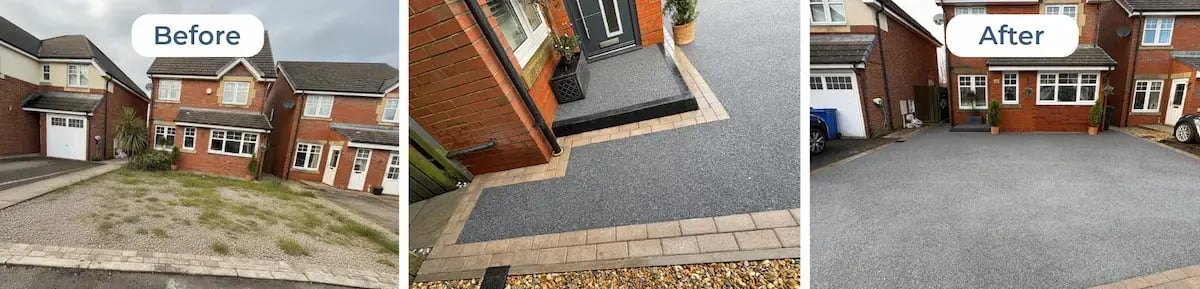
Context: A semi-detached home in Clitheroe had a tired, uneven tarmac driveway that was detracting from its otherwise well-maintained appearance.
-
Challenge: The poor state of the driveway made the property look dated and was a point of negative feedback from initial viewings.
-
Solution: The owners invested £4,500 in a new, modern grey resin-bound driveway. The project, completed by D Blackburn Contractors, took just three days and completely transformed the front of the property, providing a seamless, attractive surface for two cars.
-
Results: The property was relisted and received two offers within a week, ultimately selling for £7,000 more than a similar house on the same street that had sold three months prior. The new driveway was repeatedly mentioned by viewers as a standout feature.
Which Smaller, Cost-Effective Renovations Offer the Best Returns?
While major renovation projects that increase home value like kitchens and lofts grab the headlines, several smaller, cost-effective renovations offer an excellent return on investment. These projects require minimal outlay but can significantly boost a property's presentation, making it feel fresh, modern, and well-cared for. They are perfect for homeowners on a tighter budget or those looking for quick wins before putting their house on the market.
The "Paint and Polish" Approach
A fresh coat of paint is arguably the single most cost-effective improvement you can make. It can instantly brighten dark rooms, hide imperfections, and create a sense of newness. Stick to neutral, light-reflecting colours like off-white, light grey, or soft beige to appeal to the broadest audience. Pay special attention to high-traffic areas and don't forget woodwork like skirting boards, door frames, and internal doors, which can look tired and scuffed over time. A professional decorator may cost £1,500-£2,500 for a typical 3-bedroom house, an investment that can easily be recouped in the sale price.
Upgrading Lighting and Hardware
Dated light fixtures, switches, sockets, and door handles can subtly age a property. Swapping these out for modern alternatives is a relatively simple and inexpensive task that creates a cohesive, contemporary feel.
Quick-win upgrades include:
-
Pendant Lighting: Replace old-fashioned shades with stylish pendants in the kitchen and dining area.
-
LED Downlights: Install energy-efficient spotlights in kitchens and bathrooms for bright, clean light.
-
Brushed Chrome/Matte Black Fittings: Replace old brass or white plastic switches and sockets for a more premium look.
-
New Door Handles: Consistent, modern door furniture throughout the house shows attention to detail.
Bathroom Modernisation on a Budget
A full bathroom renovation can be expensive, but you can achieve 80% of the impact for 20% of the cost with some clever updates. Instead of replacing the entire suite, focus on key elements:
-
Replace Taps: Modern mixer taps on the basin and bath can instantly update the look.
-
New Shower Screen: A grimy or dated shower curtain or screen can be replaced with a sleek, clear glass screen.
-
Regrout Tiles: Over time, grout can become discoloured. Raking out old grout and applying fresh, white grout makes the whole room look cleaner and newer.
-
Vanity Unit: Replace a tired pedestal sink with a modern vanity unit that offers valuable storage space.
.webp?width=1200&height=901&name=d-blackburn-contractors-home-house-extension-renovation%20(43).webp)
Navigating Planning Permissions and Building Regulations in Lancashire
Embarking on major renovation projects that increase home value requires more than just design and construction; it demands a thorough understanding of local planning rules and building regulations. Failure to comply can result in costly enforcement action and significant problems when it comes to selling your property. Proper legal and regulatory compliance is a non-negotiable part of any successful renovation project.
When Do You Need Planning Permission?
Planning permission is concerned with the appearance and use of land and buildings. You will almost certainly need to apply for it if your project involves:
-
Creating a new dwelling (e.g., by dividing an existing home).
-
Significantly extending your property, especially if it’s close to a boundary or covers more than half of the garden area.
-
Altering the external appearance of your home in a designated Conservation Area or on a Listed Building.
-
Changing the use of your property (e.g., from residential to commercial).
Understanding Permitted Development Rights
Many common home improvement projects fall under 'Permitted Development Rights', meaning they do not require a full planning application, provided they adhere to strict size and design limitations. These often include:
-
Internal alterations that don't affect the exterior.
-
Certain loft conversions (e.g., Velux conversions and some dormers).
-
Single-storey rear extensions up to a certain size.
-
Building a porch below a specific height and floor area.
It is crucial to verify that your project falls within these rights, as they can be restricted in certain areas. A professional contractor can provide expert guidance on this.
Working with Ribble Valley and Lancashire Councils
Each local authority, such as Ribble Valley Borough Council or Lancashire County Council, has its own specific policies and guidance. When preparing an application, it’s essential to consult their local plan and supplementary planning documents. Engaging with the planning department early can provide clarity and help streamline the process. For larger projects, hiring a planning consultant or architect with local experience is a wise investment, as they can navigate the complexities of the system on your behalf, increasing the likelihood of a successful application.
Conclusion: Smart Renovations for a Valuable Home
Successfully increasing your property's value is not about spending the most money, but about making smart, strategic investments that appeal directly to today's buyers. By focusing on the right renovation projects that increase home value, you can transform your Lancashire property into a highly desirable asset, ensuring a swift and profitable sale. From the universal appeal of a modern kitchen to the practical necessity of energy efficiency, each upgrade plays a role in building a compelling case for your asking price.
Key takeaways:
-
Prioritise High-ROI Projects Focus your budget on the areas that deliver a proven return. Kitchen remodels, loft conversions, and bathroom updates consistently add the most significant value and buyer appeal.
-
Energy Efficiency is Non-Negotiable: In the current climate, a good EPC rating is a powerful selling tool. Investments in insulation, modern glazing, and efficient heating systems pay for themselves through a higher property valuation and appeal to cost-conscious buyers.
-
First Impressions Count: Never underestimate the power of kerb appeal. A pristine driveway, tidy landscaping, and a welcoming entrance create immediate positive equity and can be the deciding factor for many viewers.
-
Details Make the Difference: Even small, cost-effective renovations like fresh paint, updated hardware, and modern lighting contribute to a polished, move-in-ready feel that buyers are willing to pay a premium for.
If you're ready to enhance your property's appeal and maximise its market potential, the next step is to plan your project with an experienced team. For expert advice and a free, no-obligation quote for your Lancashire home improvements, contact D Blackburn Contractors today.