Home > Blog > Snagging Checklist for a Stress-Free Homeowner Handover
Picture this: your dream extension is finally complete. The space is transformative, but as the dust settles, a closer look reveals a misaligned kitchen cabinet door, a small scratch on the new window, and a patch of uneven paint behind a radiator. These small imperfections can quickly sour the excitement of a finished project, turning the final stage into a source of immense stress.
This final 5% of a construction project is where relationships between clients and contractors are often tested. A poorly managed or confrontational approach to final fixes, known as snagging, can lead to payment disputes, damaging delays, and lasting harm to a contractor's hard-earned reputation. It’s a critical phase that demands a professional, structured process.
Thankfully, there is a proven way to navigate this without the stress. By implementing a clear, collaborative process centred on a detailed snagging list, you can transform a potential conflict into the final step of a successful partnership, ensuring a flawless finish that everyone is proud of.
In this article, you'll learn:
- What a snagging list is and why it’s vital for project success.
- The correct timing and a step-by-step process for snagging.
- How to create a detailed list that gets results.
- A comprehensive checklist to use on your own projects.
What Exactly is a Snagging List and Why is it Crucial?
A snagging list is a detailed document created towards the end of a construction project that identifies minor defects, incomplete work, or anything that does not meet the agreed-upon quality standard. It is crucial because it provides a formal, agreed-upon record of all items that require rectification before the final payment is made and the project is officially handed over. This simple document ensures the client receives the quality they paid for and simultaneously protects the contractor from vague, open-ended complaints or future disputes about work quality at the time of completion.
Defining "Snags": Minor Defects vs. Major Issues
A 'snag' refers to a minor, cosmetic, or mechanical issue that needs fixing. It’s not about major structural problems or work that deviates significantly from the plans, as these should have been addressed much earlier in the project.
Examples of common snags include:
- Poorly applied paint or sealant: Check for inconsistent finishes, drips, or areas where sealant is messy or incomplete.
- Stiff door hinges or misaligned locks: Doors and windows should open and close smoothly without catching.
- Scratches on surfaces like floors or windows: Inspect finished surfaces carefully in good light for any damage.
- A dripping tap or a faulty light switch: Test every mechanical and electrical fitting to ensure it functions correctly.
- Incomplete trim or skirting board installation: Look for poorly joined corners or gaps that need filling and sanding.
Distinguishing between a legitimate snag and general wear-and-tear (or a client changing their mind) is key to a smooth process.

The Legal and Contractual Importance of the List
Most standard UK construction contracts, such as those from the JCT (Joint Contracts Tribunal), include clauses for 'practical completion' and a 'rectification period'. The snagging list is the instrument used to define what must be done to achieve true completion. Once the list is compiled and the remedial works are finished, it serves as proof that the contractor has fulfilled their obligations. This protects both parties: the client has leverage to ensure work is finished, and the contractor has a clear, final checklist before demanding final payment.
Real-World Example: Protecting Reputations in Clitheroe
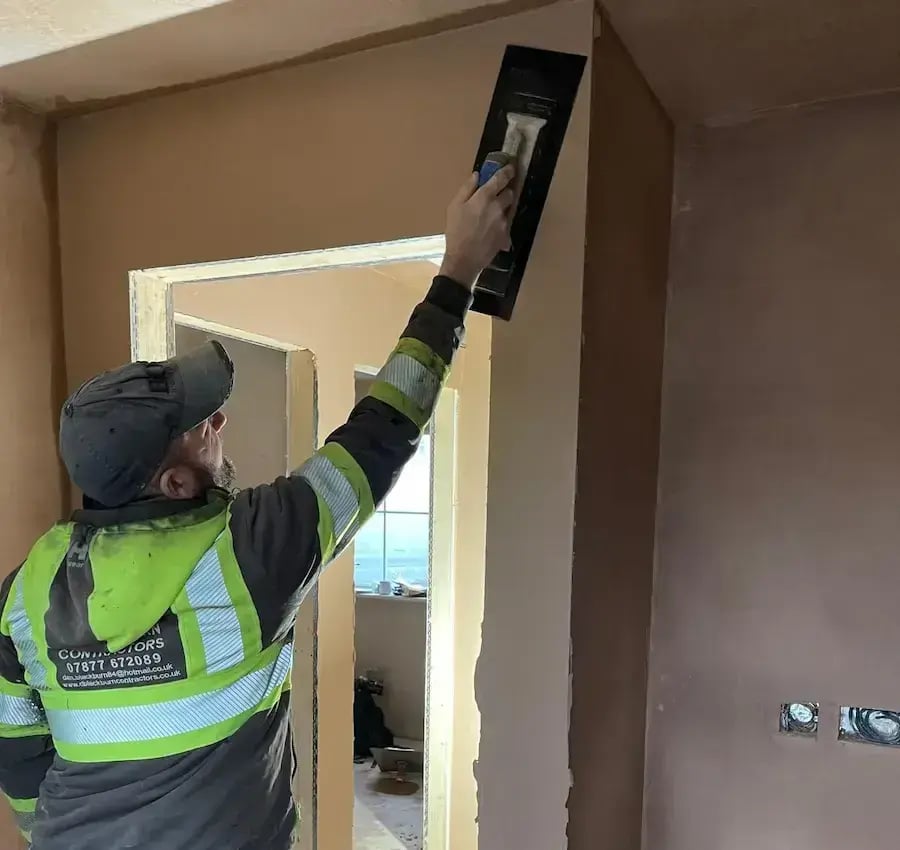
We recently completed a large dormer loft conversion in Clitheroe. Upon our internal inspection, we noted minor plastering imperfections on a wall that would be hidden by a wardrobe. We added it to our own pre-snagging list. During the joint walkthrough, the client also noticed it. Because we had already identified and planned the fix, the conversation was collaborative, not defensive. The issue was resolved by our plasterer in under three hours, the project was signed off, and the client left us a 5-star review highlighting our professionalism and attention to detail. This proactive approach prevented a potential disagreement and strengthened our reputation.
When Should You Create and Action the Snagging List?
The snagging list should be created after the contractor declares 'practical completion' but before the final handover and release of the retention payment. This critical window, typically in the last one to two weeks of the project, is when the bulk of the work is finished, and the property is clean and ready for detailed inspection. Acting during this specific timeframe ensures that any new issues caused during the snagging repairs themselves can also be addressed efficiently.
The Ideal Timeline: From Practical Completion to Final Sign-Off
A professional project handover follows a clear timeline:
- Contractor's Declaration (Week 0): The main contractor informs the client that they believe the work is complete and ready for inspection.
- Joint Inspection (Week 0-1): The client and contractor walk through the site together to compile the snagging list.
- Agree on List & Timescale (Week 1): The list is finalised, and a reasonable timeframe for the remedial works is agreed upon (e.g., 7-14 days).
- Rectification Period (Week 1-2): The contractor and their subcontractors carry out the fixes.
- Final Inspection & Sign-Off (Week 2): A final walkthrough confirms all items are resolved, leading to project sign-off and final payment.
The Risks of Snagging Too Early or Too Late
Snagging too early, while other trades are still on-site, is counterproductive. A perfectly painted wall can be scuffed by an electrician fitting a socket an hour later. This creates confusion and requires multiple, inefficient rounds of snagging. Snagging too late, after you have moved in and made final payment, dramatically reduces your leverage. The urgency for the contractor diminishes, and it can be harder to schedule trades to return for minor fixes, dragging the process out for months.
Who is Responsible?
Roles of the Client, Contractor, and Subcontractor Responsibility is shared, but the roles are distinct:
- The Main Contractor: Is ultimately responsible for managing the entire process, including coordinating subcontractors to fix snags related to their work. They should perform their own internal snagging before the client inspection.
- The Client (Homeowner): Is responsible for conducting a thorough inspection and communicating issues clearly and reasonably. They should be prepared to be available for the joint walkthrough.
- The Subcontractor: Is responsible for rectifying any defects related to their specific trade (e.g., plastering, electrics, plumbing) in a timely manner as directed by the main contractor.
How Do You Create an Effective Snagging List?
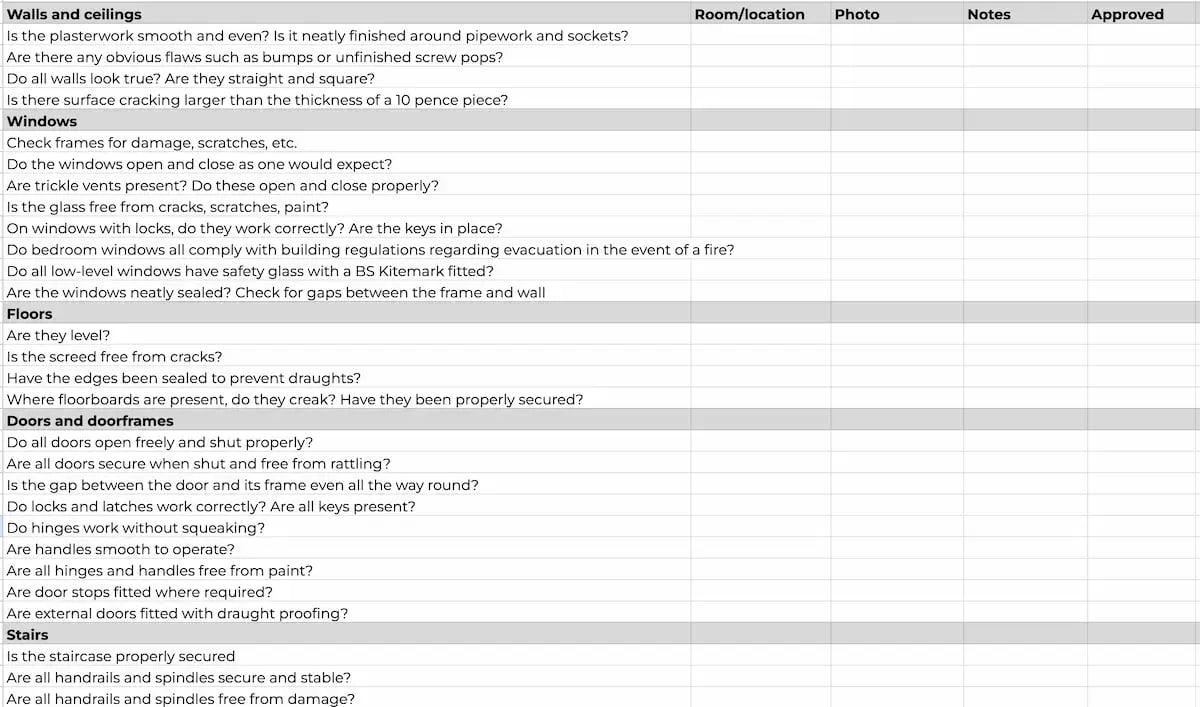
To create an effective snagging list, you must be systematic, detailed, and objective. A successful list leaves no room for ambiguity. The best approach is to work through the project area by area (or room by room), taking clear photographs of each issue, providing a specific location for each, and describing both the problem and the expected solution. Vague entries like "fix paint" are unhelpful and lead to disputes.
Essential Tools for the Job
Being prepared for the inspection makes the process faster and more accurate. Bring these items with you:
- A good quality camera/smartphone: This is essential for taking clear, well-lit photos of every snag.
- A notepad and pen or a tablet: This is for logging items methodically as you move through the property.
- A roll of low-tack masking tape or small sticky notes: These are used to physically mark the location of snags without damaging surfaces.
- A small spirit level: This allows you to quickly check if surfaces like shelves, windowsills, and countertops are perfectly level.
- A tape measure: This is useful for verifying dimensions if you have any concerns about fit or spacing.

The Anatomy of a Perfect Snag Entry
A robust snag entry contains four key pieces of information, preventing any misinterpretation:
- Unique ID Number: A simple number for each snag (e.g., 001, 002) allows for easy tracking and reference.
- Precise Location: Be specific (e.g., "Kitchen, under-sink cabinet, left-hand door"), not just "kitchen door".
- Clear Description of the Issue: Detail the problem (e.g., "Cabinet door hinge is loose, causing it to drop by 5mm and not close flush").
- Supporting Photograph: An image is worth a thousand words and provides undeniable proof of the issue.
From Paper to Pixels: The Rise of Digital Snagging Apps
While pen and paper work, the construction industry is increasingly moving towards digital solutions for construction snagging. Apps like SnagR, Fieldwire, or Site Audit Pro allow you to log snags directly on a floor plan, attach photos, assign tasks to specific tradespeople, and track their resolution in real-time. For a project worth tens of thousands of pounds, investing £20-£50 in a monthly app subscription can save hundreds in dispute resolution time. This digital approach creates a transparent audit trail, ensuring total accountability for both client and contractor.
The Ultimate Snagging Checklist for Homeowners
Walking into a newly finished space can be overwhelming, making it easy to miss details. Use a systematic snagging checklist to ensure nothing is overlooked. Go room by room, and within each room, work from top to bottom (ceiling, walls, floors). Data from the UK's New Homes Quality Board (NHQB) consistently shows that the most common snagging issues reported by new homeowners relate to decoration (plastering and painting) and problems with doors and windows. Pay extra close attention to these areas.
General & Decorative Finishes
- Ceilings and Walls: Look for uneven plaster, visible joints in plasterboard, cracks, and poorly sanded areas. View walls from multiple angles in good light to spot imperfections in the paint finish.
- Paintwork: Check for missed spots (especially behind radiators and pipes), paint splatters on other surfaces, visible brush strokes, and a consistent finish.
- Flooring: Inspect for scratches, gaps, or chips in wooden or laminate flooring. Check that carpets are fitted correctly at the edges and that tiles have consistent, clean grouting.
- Skirting & Architrave: Ensure joints are neatly filled and sanded before painting, and that there are no gaps between the skirting and the wall or floor.
Doors, Windows & Joinery
- Operation: Open and close every single door and window. Do they operate smoothly without sticking? Do they lock securely?
- Finish: Inspect all frames, sills, and doors for scratches, dents, or paint marks. Check that the sealant around frames is neat and complete.
- Glass: Check every pane of glass for scratches or chips. This must be done before final sign-off, as it's hard to prove the damage was pre-existing later on.
- Hardware: Test all handles, locks, and hinges to ensure they are secure and function correctly.
Kitchens & Bathrooms
- Fixtures & Fittings: Turn every tap on and off, checking for leaks at the base and from the spout. Flush every toilet.
- Appliances: If included, ensure all appliances have been installed correctly, have power, and are undamaged. Run a quick cycle if possible.
- Tiling & Grouting: Check for level tiles, consistent grout lines, and any cracked or chipped tiles. Ensure sealant around baths, showers, and sinks is neat and fully waterproof.
- Cabinetry & Worktops: Open all drawers and cupboards to check for smooth operation. Inspect worktop joints to ensure they are sealed and flush.
Electrics, Plumbing & Heating
- Switches & Sockets: Test every light switch and plug socket. Ensure the socket and switch plates are straight and flush with the wall.
- Radiators: Check that all radiators are securely fixed to the wall and are free of scratches or dents. Ask for the heating system to be on to check they heat up.
- Extractor Fans: Turn on all fans in kitchens and bathrooms to ensure they are working.
What Are Your Rights and Responsibilities During Snagging?
The construction snagging process is governed by the contract and general consumer rights, creating a balance of responsibilities for both the client and the contractor. The client's primary right is to receive a finished product that is free from defects and meets the standard of quality agreed in the contract. Their core responsibility is to be fair and reasonable in creating the list and to provide access for the contractor to complete the fixes. For the contractor, their right is to be given a fair opportunity to rectify the issues themselves, and their responsibility is to complete these remedial works to a satisfactory standard within the agreed timeframe.
For the Homeowner: Fair Wear and Tear vs. a Defect
It's important to be reasonable. A 'defect' is a failure of the workmanship or materials, like a misaligned door or a faulty switch. It is not 'fair wear and tear' (a minor scuff caused after you've moved in) or a change of mind about a colour or fitting you previously approved. Sticking to genuine defects keeps the process professional and avoids disputes. If you are unsure, you can hire an independent professional snagging company for an unbiased report, which typically costs between £300 and £600 for a standard property.
For the Contractor: The "Right to Rectify"
Contractors have a legal 'right to rectify' their own work. A client cannot reasonably refuse the original contractor access to fix the snags and hire another company at the original contractor's expense, unless the original contractor has refused to do the work or has failed to do so in a reasonable timeframe. Giving the contractor this opportunity is not only fair but is also the fastest way to get issues resolved, as they know the project and have relationships with the specific subcontractors required.
Managing Disputes and Escalation Paths
If a disagreement arises over an item on the snagging list, the first step is always communication. Refer back to the project plans, specifications, and contract. If an agreement cannot be reached, the contract should outline a dispute resolution process, which may involve mediation or adjudication by an independent third party. Keeping a detailed, photographed record of all communication and snagging items is vital evidence if you need to escalate the issue.
A Step-by-Step Guide to the Professional Snagging Process
A chaotic snagging phase creates stress for everyone. A structured, transparent process ensures efficiency, maintains a positive relationship, and gets the project over the finish line smoothly. By following these five steps, both clients and contractors can navigate the end of a project with confidence, turning what could be a contentious task into a professional quality assurance check.
Step 1: The Contractor's Internal Pre-Snagging Check
The hallmark of a professional contractor is that they snag their own work first. Before calling the client for an inspection, the site manager should conduct their own thorough walkthrough, ideally with a fresh pair of eyes. They should compile their own internal **snagging list** and fix as many items as possible. This proactive quality control demonstrates a commitment to high standards and dramatically reduces the size of the client's list, building immediate trust and goodwill.
Step 2: The Joint Walkthrough with the Client
This is the most critical meeting in the snagging process. The contractor and client should walk the site together, room by room. This collaborative approach allows for immediate discussion. The contractor can explain certain details, and the client can point out their concerns directly. It prevents misunderstandings that can arise from a list created in isolation. The goal is to agree on what constitutes a legitimate snag on the spot.
Step 3: Compiling and Agreeing on the Final List
Immediately after the walkthrough, the agreed-upon items should be compiled into a single, formal snagging list. As discussed, using a digital app is the most efficient method. Each item should have a clear description, location, and photo. This document should be dated and shared with the client for final approval. Once both parties agree that the list is a complete and accurate record, it becomes the definitive to-do list for the final stage.
Step 4: Scheduling and Completing Remedial Works
With the final list in hand, the contractor can efficiently schedule the necessary trades to perform the **remedial works**. They should provide the client with a clear schedule and timeline for completion. Good communication is essential here; the client needs to know when to expect tradespeople on site. The contractor should check off items from the shared list as they are completed, providing a real-time progress update.
Step 5: The Final Inspection and Sign-Off
Once the contractor reports that all items on the snagging list are complete, a final, brief inspection should be scheduled. The client and contractor walk through again, this time with the list in hand, to verify that each item has been resolved to the agreed standard. Upon confirmation, the project can be formally signed off, and the final payment or retention can be released. This provides a clean, satisfying conclusion for everyone.
.webp?width=1200&height=900&name=d-blackburn-contractors-dixon-house-renovation%20(44).webp)
Beyond the List: How Professional Snagging Builds Trust
Viewing the snagging list not as a critique but as a collaborative tool for quality assurance is a mindset shift that separates exceptional contractors from average ones. A professionally managed snagging process does more than just fix minor issues; it solidifies a client's trust and enhances a contractor's reputation in the local community. For us at D Blackburn Contractors, a stress-free project handover is a non-negotiable part of our service, and it's why so many of our clients in the Ribble Valley return for future projects.
Reducing Callbacks and Warranty Claims
A thorough snagging process is fundamentally a quality control mechanism. By identifying and fixing issues before handover, contractors drastically reduce the number of frustrating callbacks and formal warranty claims in the months that follow. This saves significant time and money. A single van trip to fix a dripping tap, a month after completion, can cost over £100 in labour and travel, completely wiping out the profit on that part of the job. Getting it right the first time is simply better business.
The Impact on Customer Reviews and Referrals
In today's digital world, a contractor's reputation is everything. A client's final experience heavily influences their review. A project that ends with a stressful, drawn-out snagging dispute is unlikely to result in a glowing testimonial or a referral to a neighbour, even if the preceding work was excellent. Conversely, a contractor who is proactive, organised, and responsive during snagging leaves a lasting impression of professionalism and care. This positive final experience is often what motivates a client to leave a 5-star review on platforms like Google or Trustpilot.
A Mark of Professionalism: Why Good Contractors Welcome a Thorough Snag
Experienced contractors are not afraid of a detailed snagging list. They welcome it. It shows that the client is engaged and cares about the quality of the finish, just as they do. A contractor who becomes defensive or dismissive about snagging is a major red flag. A confident, professional team sees it as the final opportunity to demonstrate their commitment to excellence and to ensure they are handing over a product they are truly proud of. This is how strong, lasting reputations are built, one perfectly finished project at a time.
Conclusion: A Flawless Finish Through Partnership
A well-managed snagging list is the essential final step in any successful construction project, transforming a potential point of conflict into a professional tool for quality assurance. It is not a battle between client and contractor but a collaborative roadmap to a flawless finish. By embracing a structured, transparent process, both parties can avoid stress, protect their interests, and conclude the project on a positive, respectful note, safeguarding reputations and ensuring the final product is something everyone can be proud of.
Key Takeaways:
- Be Proactive, Not Reactive: The best contractors perform their own internal snagging inspection before the client even gets involved. This simple step demonstrates a commitment to quality and builds immense trust by reducing the number of issues the client finds.
- Clarity and Detail Are Non-Negotiable: Create a detailed snagging list where every item includes a precise location, a clear description of the issue, and a photograph. Using a digital snagging app provides an irrefutable audit trail and streamlines communication.
- Timing is Everything: The ideal time for the joint snagging inspection is after the contractor has declared practical completion but before the final payment is made. This provides the best balance of leverage for the client and a clear finish line for the contractor.
- Snagging is a Partnership: Approach the process as a collaboration, not a confrontation. A joint walkthrough and an agreed-upon list prevent misunderstandings and foster a positive relationship right to the very end of the project.
If you are planning a renovation or new build in Clitheroe or the surrounding Lancashire area and want to partner with a contractor who values a perfect finish and a stress-free handover, contact D Blackburn Contractors today for a no-obligation consultation.